February 6, 2026
How Comfort Kits Can Improve Hospice Care
Timely symptom relief is at the heart of quality hospice care. As patients approach the end of life, symptoms such as pain, anxiety, shortness of breath, nausea, and agitation can emerge quickly and escalate without warning. Comfort kits play a critical role in ensuring these symptoms are managed promptly, compassionately, and cost-effectively.
Why Comfort Kits Matter
Most hospice care occurs in the home, where family members and caregivers are often responsible for responding to rapidly changing symptoms. When appropriate medications are not immediately available, delays in symptom management can lead to unnecessary distress, emergency calls, unscheduled nursing visits, pharmacy after-hours fees, or hospitalizations.
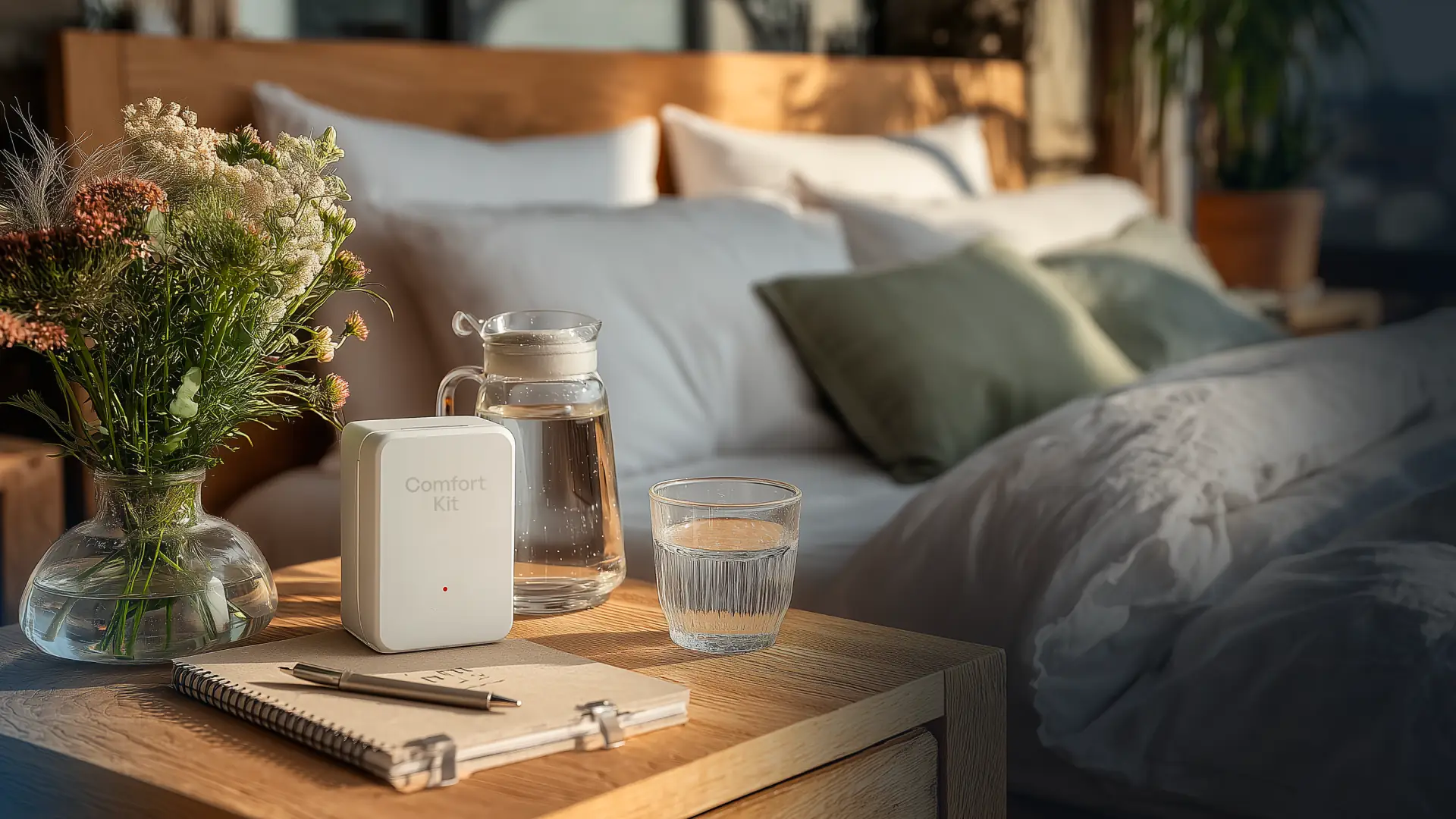
Comfort kits, which are pre-packaged medications kept safely in the home, help bridge this gap by allowing caregivers, under the guidance of hospice clinicians, to respond immediately when symptoms arise.
Common Symptoms at End of Life
Studies show that patients near the end of life frequently experience:
- Dyspnea or breathing difficulties
- Pain
- Respiratory secretions
- Anxiety or agitation
- Nausea and vomiting
These symptoms often signal disease progression and require swift intervention to maintain comfort and dignity.
What Is Inside a Comfort Kit?
Comfort kits typically include small quantities of medications designed to manage the most common end-of-life symptoms. These medications are often provided in liquid or suppository form to accommodate patients who may have difficulty swallowing.
Commonly used medications, and the symptoms they may address, include:
- Pain and shortness of breath: Liquid formulations of morphine or oxycodone
- Anxiety and agitation: Oral formulations of lorazepam or haloperidol
- Nausea and vomiting: Ondansetron, promethazine, or prochlorperazine tablets; haloperidol liquid
- Fever: Acetaminophen products
- Excess secretions: Glycopyrrolate, atropine drops, or hyoscyamine tablets
- Constipation: Senna tablets or bisacodyl suppositories
Caregivers are instructed to store comfort kits securely and to administer medications only when directed by a hospice nurse.
Improving Quality While Containing Costs
While comfort kits are sometimes viewed as an added expense, research shows they can significantly reduce overall costs by lowering rates of:
- Unscheduled after-hours nursing visits
- Pharmacy after-hours or STAT deliveries
- Emergency department utilization
Hospices that routinely use comfort kits report faster symptom relief, improved caregiver satisfaction, and fewer disruptions to care, particularly during nights, weekends, holidays, or other urgent situations.
Supporting Emergency Preparedness
Comfort kits also support hospice emergency preparedness requirements by ensuring patients have access to essential medications during severe weather events, natural disasters, or pharmacy closures. This reliability is especially important for patients living in rural or underserved areas.
Reducing Waste Through Thoughtful Use
Effective comfort kit programs focus on minimizing waste through deliberate design and deployment, including:
- Including only medications for common end-of-life symptoms
- Limiting medication quantities
- Avoiding duplication when medications are already present in the home
- Individualizing each kit based on the patient’s current medications, diagnosis, prognosis, and other relevant clinical factors
This tailored approach balances preparedness with responsible medication management.
Enhancing the Care Experience
Comfort kits directly support several key quality measures, including:
- Timely help for pain and symptom management
- Increased family confidence in caregiving
- Stronger communication and emotional support
- Higher overall satisfaction and willingness to recommend hospice services
When caregivers feel prepared and supported, patients are more likely to experience a peaceful and comfortable end-of-life journey at home.
Comfort kits are more than a convenience. They are a strategic tool for improving quality, controlling costs, and supporting compassionate hospice care. Hospices that are not currently utilizing comfort kits may benefit from re-evaluating their care pathways to better meet the needs of patients and families.

Mason Hooper
Pharm.D.
Stay up to date
Subscribe to our newsletter