December 9, 2025
Introduction
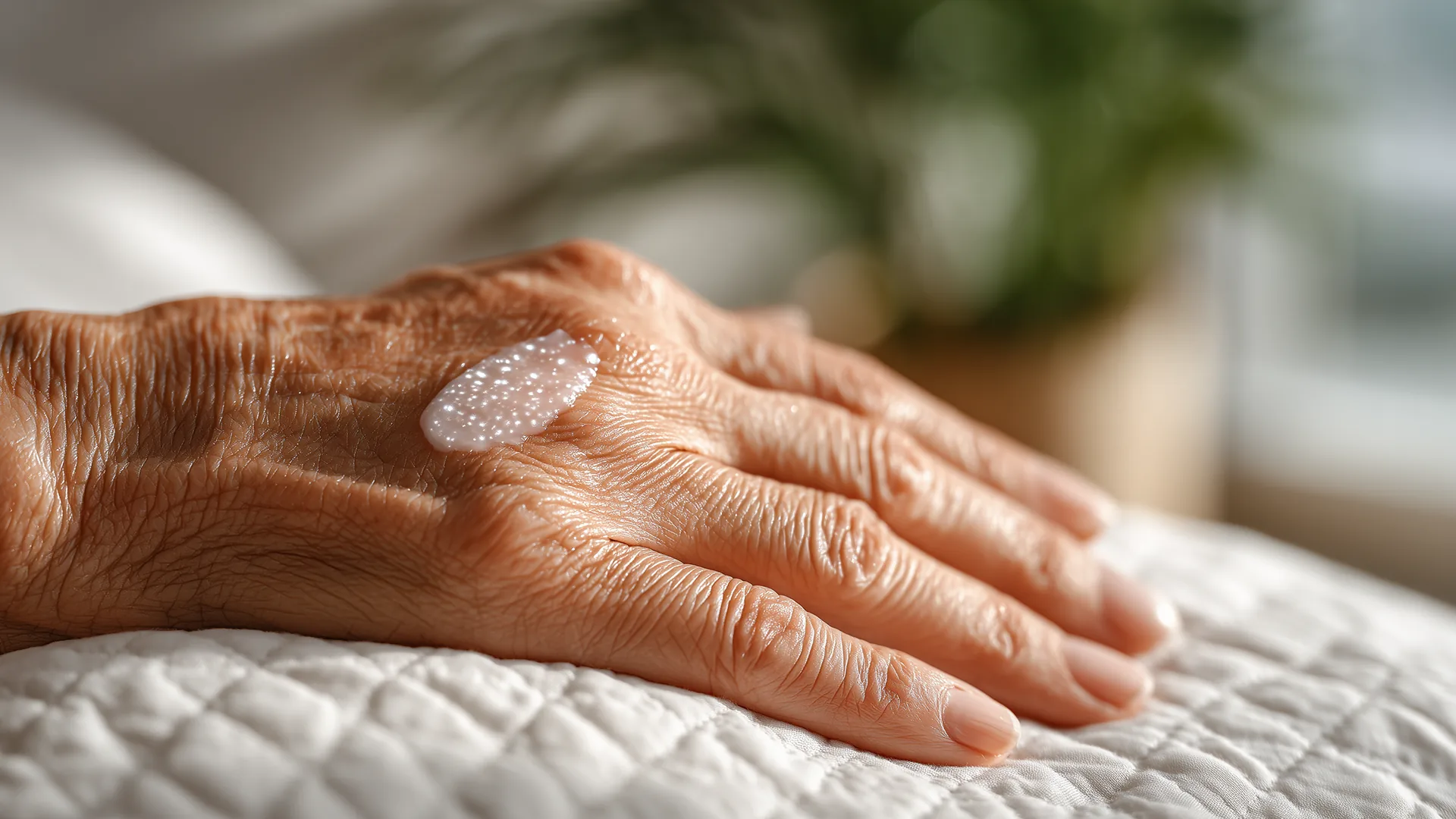
In hospice and palliative care, managing symptoms such as nausea, agitation, and discomfort is essential for maintaining quality of life. Among the many medications used to treat these symptoms, topical ABH (Ativan–Benadryl–Haldol) and ABHR (Ativan–Benadryl–Haldol–Reglan) are frequently used. Traditionally compounded into topical gels or creams and applied to the wrists, these mixtures have been widely used for their perceived convenience and ease of administration.
However, growing evidence and expert review have raised important questions about their actual effectiveness—particularly when applied transdermally. This newsletter offers a clear, evidence-based overview for clinicians, caregivers, and hospice teams.
What Are ABH and ABHR?
ABH Compound:
- Ativan (lorazepam): anti-anxiety, anti-agitation
- Benadryl (diphenhydramine): antihistamine, anti-nausea
- Haldol (haloperidol): antipsychotic, anti-nausea, anti-agitation
ABHR Compound:
Adds Reglan (metoclopramide) for additional anti-nausea/anti-motility benefits.
These formulations have historically been compounded into topical gels and marketed as an alternative route when patients can’t swallow or tolerate oral medications.
The Evidence: Do They Work Transdermally?
1. Poor Skin Absorption
Studies evaluating ABH/ABHR have consistently found that most of these medications are not effectively absorbed through the skin in clinically meaningful amounts1.
- Diphenhydramine, haloperidol, and metoclopramide show extremely low or negligible absorption through topical PLO bases.
- Lorazepam, though somewhat lipophilic, still does not reach therapeutic serum levels transdermally.
2. Lack of Clinical Benefit2
Despite widespread historical use, controlled data do not support ABH/ABHR topical gels as effective for:
- Nausea
- Agitation
- Anxiety
- Delirium
Many clinicians report that when patients seem to respond, the benefit is more likely due to:
- Natural symptom fluctuation
- Comfort of touch during application
- Concurrent medications
- Placebo effect
3. Compounding Concerns
Compounded medications face issues with:
- Higher cost compared to oral alternative
- Variability in formulation
- Predictability of absorption
Given these concerns, more research-supported routes (oral, sublingual, rectal) are preferred.
Why They Became Popular in Hospice Care
Despite limited evidence, ABH gained traction due to:
- Easy administration without IV access
- Perceived gentleness for families
- Long-standing anecdotal use
- A desire for a single “all-in-one” symptom-relief option
However, as palliative care has grown more focused on evidence-based practice, reliance on ABH/ABHR has declined.
What Works Better? Evidence-Supported Alternatives*
For nausea, recommended options include3:
- Haloperidol (oral, SL, SC)
- Ondansetron (oral, ODT)
- Metoclopramide (oral)
- Prochlorperazine (oral)
For agitation or anxiety4:
- Lorazepam or other benzodiazepines (SL)
- Haloperidol (SL or SC)
- Quetiapine or other second-generation antipsychotics (oral)
For multi-symptom management, many hospice teams prefer:
- Sublingual formulations
- Concentrated oral solutions
- Subcutaneous injections
Many oral formulations can be crushed and administered sublingually or buccally if swallowing issues are present.
*These alternatives are not an all-encompassing list of treatments for each symptom.
What This Means for Hospice & Palliative Teams
Key Takeaways:
- Topical ABH/ABHR does not provide reliable symptom relief.
- Evidence supports avoiding these compounds in favor of more cost AND clinically effective alternatives.
- Educating families about why these compounds are no longer recommended helps build trust and improve patient comfort.
- Symptom management should be individualized, evidence-based, and focused on routes proven to work in fragile patients.
Conclusion
As hospice and palliative care continue advancing toward more evidence-supported practices, it’s important to reevaluate older tools like ABH and ABHR topical compounds. While well-intentioned, these mixtures do not deliver meaningful therapeutic benefit when applied to the skin. By leaning into more effective routes and medications, clinicians can better support patient comfort, ease distress, maximize cost and uphold the highest standard of care.
References
- Smith TJ, Ritter JK, Poklis JL, Fletcher D, Coyne PJ, Dodson P, Parker G. ABH gel is not absorbed from the skin of normal volunteers. J Pain Symptom Manage. 2012 May;43(5):961-6. doi: 10.1016/j.jpainsymman.2011.05.017. PMID: 22560361.
- Fletcher DS, Coyne PJ, Dodson PW, Parker GG, Wan W, Smith TJ. A randomized trial of the effectiveness of topical "ABH Gel" (Ativan(®), Benadryl(®), Haldol(®)) vs. placebo in cancer patients with nausea. J Pain Symptom Manage. 2014 Nov;48(5):797-803. doi: 10.1016/j.jpainsymman.2014.02.010. Epub 2014 May 2. PMID: 24793078.
- Glare P, Miller J, Nikolova T, Tickoo R. Treating nausea and vomiting in palliative care: a review. Clin Interv Aging. 2011;6:243-59. doi: 10.2147/CIA.S13109. Epub 2011 Sep 12. PMID: 21966219; PMCID: PMC3180521.
- Jennes DAD, Biesbrouck T, De Roo ML, Smets T, Van Den Noortgate N. Pharmacological Treatment for Terminal Agitation, Delirium and Anxiety in Frail Older Patients. Geriatrics (Basel). 2024 Apr 18;9(2):51. doi: 10.3390/geriatrics9020051. PMID: 38667518; PMCID: PMC11050185.

Mason Hooper
Pharm.D.
Stay up to date
Subscribe to our newsletter